A regulation cut is easy on the day it is cut. The trouble starts ten days later, when the sides have pushed out, the top has gained enough length to touch the ears, and an inspection, a shift, or a photo catches it at its worst. In Mint Hill, service members, recruits, and first responders deal with the same math: hair grows at a steady rate, standards do not bend for a busy schedule, and the margin between tidy and out of standard is about two weeks of growth.
Use this as a working checklist. Run it in a mirror under decent light, in order, and be honest about the fail signs. Each one maps to a fix: a cleanup visit, a full cut, or a small adjustment at home.
Regulation check, in order
- Sides and back bulk: pass if the hair lies flat with no shelf above the fade line; fail if you can pinch hair on the sides or the outline looks puffy against the head. Book a full cut, not just an edge-up.
- Top length: pass if the top stays neat without product and does not fall over the ears or eyebrows; fail if it touches either, since most standards restrict hair contacting ears and hanging over the brow.
- Hairline and edges: pass if the front and temple lines are clean and even; fail if the line has softened into stubble shadow all around, which reads as overdue even when length is fine.
- Sideburns: pass if they end at or above the middle of the ear, a common standard reference; fail if they reach below that point or are uneven side to side.
- Neckline: pass if the nape is clean; fail if neck hair has crept down and fuzzed the collar line, the fastest visible sign of grow-out.
- Beard and mustache, where allowed: pass if edges are defined and length is uniform; fail if the mustache covers the upper lip line or the beard has lost its boundary at the cheek and neck.
- Overall impression: pass if the cut looks the same from a few feet away as it did in the first week; fail if it clearly reads as a different, longer style.
The grow-out math
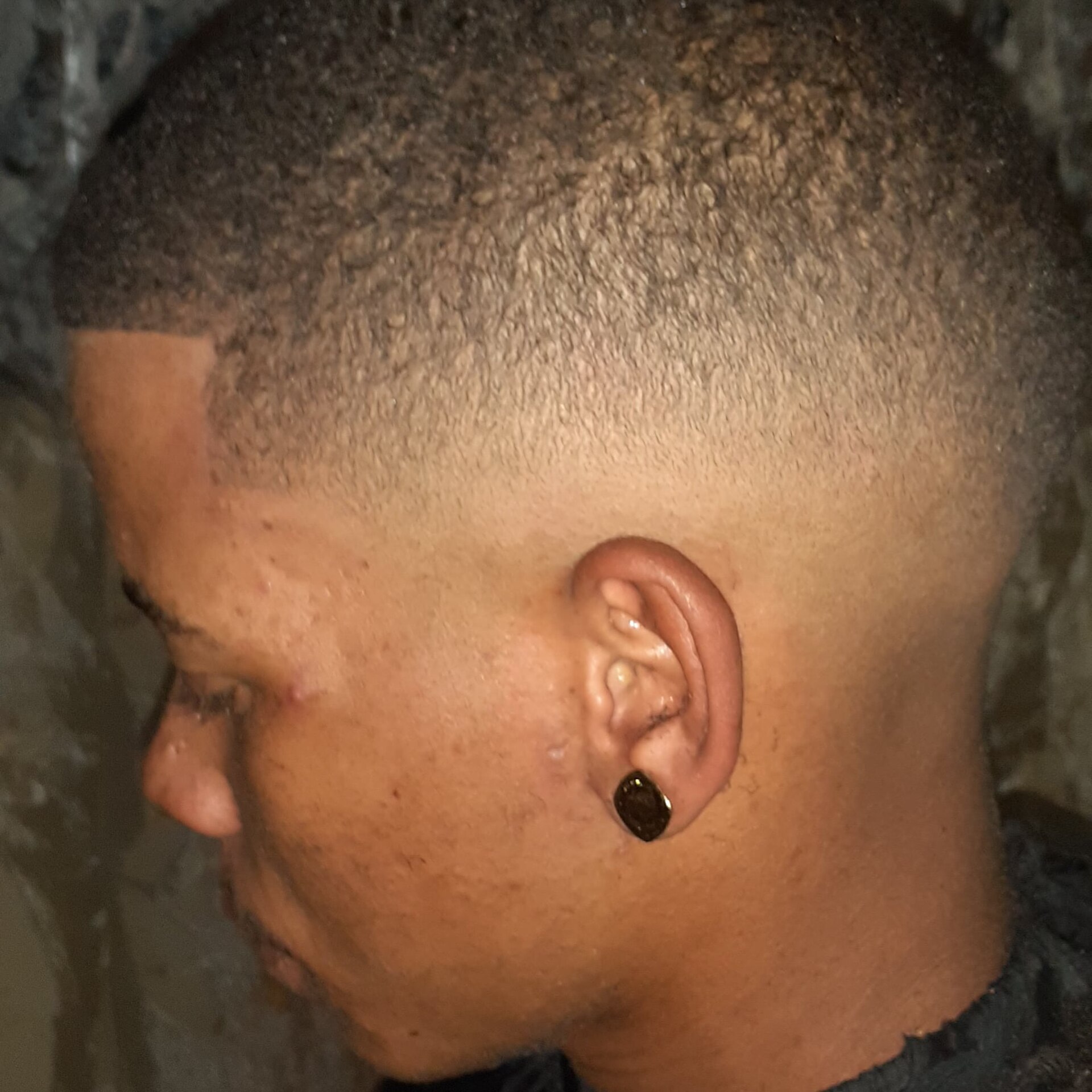
Scalp hair grows about half an inch a month, roughly an eighth of an inch a week. On a skin fade or a high-and-tight, that small amount changes everything, because the style depends on contrast between very short sides and the top. Two weeks of growth can add a visible quarter inch where the cut started at almost nothing, which proportionally doubles or triples the side length. That is why these cuts are usually maintained every two to three weeks, while longer regulation styles with more starting length can stretch to three or four.
Plan backward from known dates. If an inspection, ceremony, academy start, or department photo falls on a set day, the cut should land two to four days before it, not the morning of. That window lets a fresh fade settle, lets any minor skin irritation fade, and still catches the hair before visible grow-out.
Standards vary, and the details matter
Army, Marine Corps, Navy, Air Force, and Coast Guard grooming standards differ in specifics, and police, fire, and EMS departments set their own. Typical rules cover maximum bulk, hair not falling over the ears or eyebrows, sideburn limits, and neatness of edges, but the exact wording belongs to your branch or department. Bring the standard, or a photo of the expected cut, when there is any doubt. At 218 Barber Shop, that reference removes the guesswork from the chair.
Between full cuts
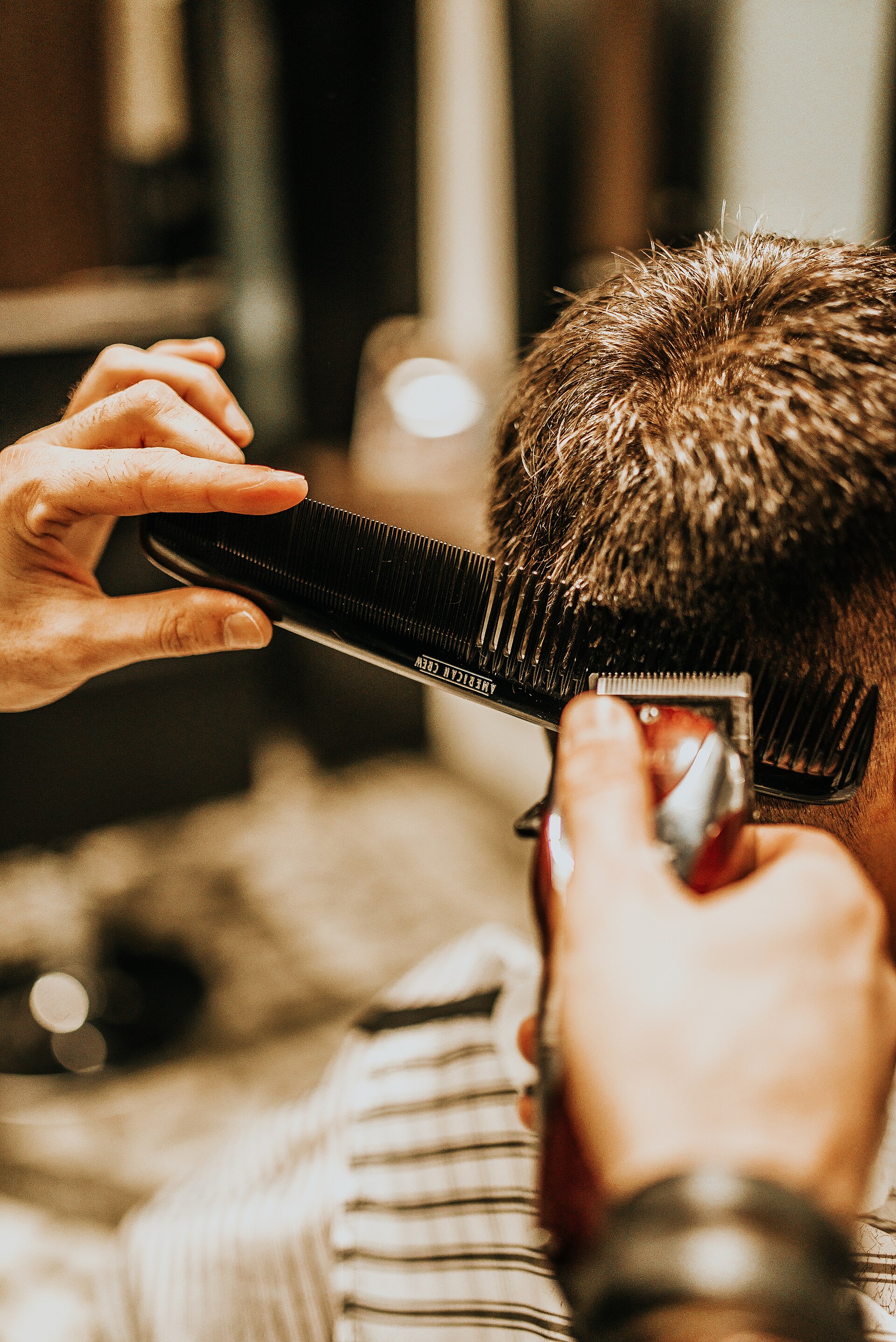
A line-up or clean-up visit in the middle of the cycle can extend a cut by about a week. It sharpens the hairline, temples, and neck without changing the overall length. It does not fix bulk on the sides, so if the checklist fails on bulk or top length, a clean-up is money spent on the wrong problem. Match the visit to the fail sign and the schedule stays simple: full cut, mid-cycle clean-up when needed, full cut again.
Common questions
How often does a high-and-tight need cutting?
Every two to three weeks for most men. Growth of about half an inch a month quickly blurs the contrast the style depends on.
Is a clean-up enough before an inspection?
Only if length and bulk still pass. A clean-up sharpens edges but does not shorten the sides or top, so check those first.
What should I tell the barber for a regulation cut?
Name your branch or department standard and bring a reference photo if you have one. Standards differ, and specifics beat a general description.
Photos in this guide are representative stock images.
← All guides from 218 Barber Shop← Back to 218 Barber Shop