Growing your hair out does not mean you stop cutting it. It means you cut it for a different reason. Instead of holding a shape, a maintenance cut removes the oldest, thinnest ends before they split and travel up the shaft. In Mint Hill, the seasons make that timing matter more than most men expect, because Piedmont summers are hot and humid, winters bring dry indoor heat, and spring pollen season has everyone washing more often.
At 218 Barber Shop, long hair is treated as a style with upkeep, not a style without it. The goal is simple: keep the length you worked to grow, lose the damage at the bottom, and tie it back in ways that do not create new damage at the top.
What a split end actually is
A hair strand is not solid all the way down. The outer layer protects the inside, and at the very end that protection wears thin first. Heat, sun, friction from collars and seat belts, and repeated washing all wear it down. Once the end frays into two or three threads, the split does not heal. Products can make it lie flatter for a day, but the strand is still divided, and the split tends to creep upward over time.
That creep is the reason a small trim now prevents a larger cut later. Taking off a quarter to a half inch of tired ends every couple of months usually removes the damage while it is still at the bottom. Wait half a year and the fraying may have moved several inches up, especially on fine hair, hair that is bleached or colored, and hair that gets pulled into a tight knot every day.

How the seasons change the work
Summer in the Piedmont is the hardest stretch. Sun exposure lightens and dries the ends, sweat and more frequent washing strip moisture, and pool and lake days add chlorine and extra rinsing. Hair tied up wet, or pulled back while damp and left that way for hours, stays stretched and weak longer than dry hair. By late August, ends that looked fine in May often feel rough between your fingers.
Fall is a good reset point. A trim after summer clears the worst of the sun and water damage before drier air arrives. Winter brings a different problem: heated indoor air pulls moisture out, collars and scarves rub the nape, and static makes tangles worse. Spring adds pollen, which coats hair and prompts daily washing for many men in Mint Hill. Each of those shifts is a reason to look at the ends, not just the calendar.
Seasonal long-hair checklist
- End of summer: pass if ends feel smooth and look even; fail if they feel rough, look lighter than the rest, or tangle within minutes. Book a maintenance trim.
- Before winter: pass if a wide-tooth comb moves through the bottom few inches without snagging; fail if it catches in the same spot every time.
- During pollen season: pass if rinsing alone settles most days; fail if daily shampooing leaves the ends squeaky and brittle, which signals over-washing.
- Any season: pass if your tie or band slides out without pulling strands; fail if hairs snap around the tie point or a visible dent forms where the band sits.
- Every two to three months: pass if the hemline looks full in a mirror; fail if the bottom looks see-through compared with the hair above it.
- After any color or lightening: pass if ends still hold a curl or wave pattern; fail if the last inches hang straight and limp while the rest does not.
Tying it back without breaking it
Most long-hair breakage in working men is not from cutting or washing. It is from the tie. A tight elastic in the exact same spot every day creates a stress line, and repeated pulling at the hairline can thin the front over time. Vary the position: low ponytail one day, higher the next, loose braid or half-up style when you can. Use fabric-covered or spiral ties without a metal crimp, and never tie hair that is soaking wet if you can avoid it.
For jobs that require hair secured all day, a looser hold with a second tie lower down distributes the tension better than one very tight band. At night, leaving long hair loose or in a loose braid reduces the friction that a pillowcase adds. Cotton pillowcases grip more than smooth ones, which is why morning tangles concentrate at the back.
How much comes off at a maintenance cut
Less than most men fear, if you come in on schedule. A maintenance cut for long hair usually means evening the bottom line, removing the frayed portion only, and cleaning up around the ears and neckline so the style reads as intentional. Tell the barber plainly that you are growing it and want the minimum removed. A good check is to agree on the amount before the shears start, using your fingers to show the length you are willing to lose.
Bring the tie you normally use and show how you wear it. That tells the barber where the stress points are and whether breakage is coming from the band, from a hat edge, or from the ends themselves. The fix differs for each cause, and guessing wastes a visit.
Common questions
How often should long hair be trimmed?
Every eight to twelve weeks works for most men, with the shorter end of that range for fine, colored, or heavily tied-back hair. The test is the feel of the ends, not the date alone.
Will trimming make my hair grow faster?
No. Hair grows from the scalp, not the ends. Trimming removes damage so the length you gain is not lost to breakage, which makes growth look faster over time.
Can split ends be repaired with product?
Products can smooth and temporarily seal the surface, but a strand that has split cannot fuse back together. Only cutting above the split removes it.
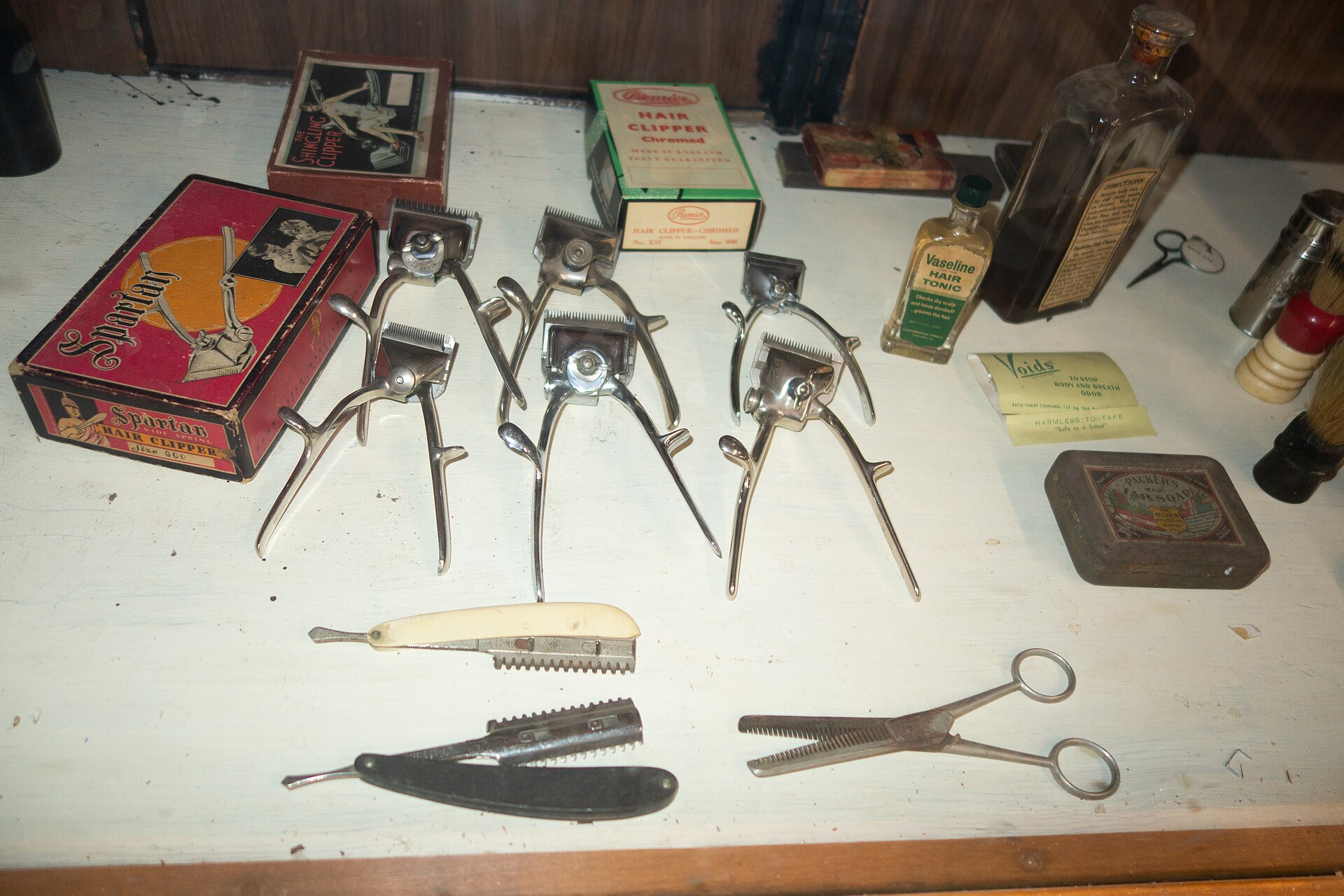
Photos in this guide are representative stock images.
← All guides from 218 Barber Shop← Back to 218 Barber Shop